
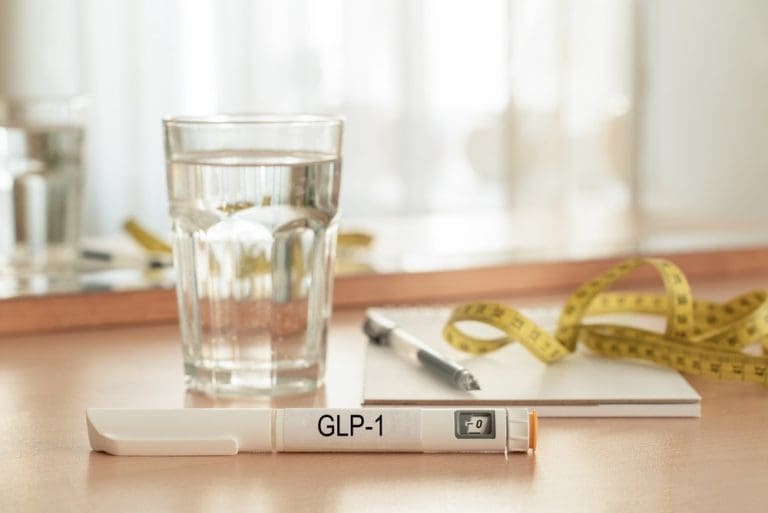
GLP-1 Peptides and Apathy: Losing Your Spark?
Your clothes fit better. The scale is moving. The constant thoughts about food have quieted down.
But so has your excitement about other things.
Dinner with friends, your favorite workout, even intimacy. You can still participate, but the enthusiasm feels missing.
Some people taking GLP-1 peptide medications describe this emotional flatness. The experience is real and deserves attention, even though researchers are still determining whether—and how—the medication contributes.
When appetite gets quieter, does everything else?
GLP-1 stands for glucagon-like peptide-1, a hormone involved in appetite and blood sugar regulation. Peptide medications such as semaglutide and tirzepatide act on these signaling systems to help manage metabolic disease and weight.
Their effects involve the brain as well as the digestive system. That has raised questions about whether changes in appetite and reward processing could sometimes extend beyond food. Research on GLP-1 signaling helps explain why scientists are exploring this connection.
Think of it as turning down the volume. Quieting relentless food cravings can bring tremendous relief. But some patients wonder whether the volume has also dropped on the things that make life enjoyable.
That is a useful analogy, but not a proven explanation. To clarify, GLP-1 peptides do not simply “turn off dopamine.”
“I’m not sad. I just don’t care.”
That sentence captures why these symptoms can be difficult to recognize.
Apathy is reduced motivation. Anhedonia is reduced interest or pleasure. Fatigue is low energy. They can overlap, but they are different experiences.
You might want to see friends but feel exhausted. Or you might have enough energy and simply feel no desire to go.
Depression also needs consideration. It can present as loss of interest without obvious sadness, so feeling emotionally flat should never automatically be dismissed as a peptide side effect.
What does the evidence show?
A small 2026 case series described three patients who developed anhedonia-like symptoms during high-dose tirzepatide treatment and improved after individualized treatment changes. That supports further investigation, but it cannot tell us how common this is or prove that the medication caused it.
Meanwhile, the FDA’s comprehensive review found no increased risk of suicidal thoughts or behavior with GLP-1 medications. That is reassuring, although it does not answer every question about motivation or emotional flatness.
What should you do if your spark feels missing?
Tell your prescriber. Be specific about what changed and whether it followed starting treatment or increasing your dose.
The assessment should also consider food intake, hydration, sleep, other medications, and mental health. Strong appetite suppression can leave someone eating too little, which may affect energy and daily functioning.
Do not adjust your peptide dose or add another treatment on your own. Persistent symptoms deserve evaluation rather than simply pushing through. If you develop thoughts of self-harm, seek immediate help; in the United States, call or text 988.
The scale is only part of the story
GLP-1 peptide medications can offer substantial health benefits. Good treatment also pays attention to how you feel along the way.
At the UroFill® Clinic, we encourage patients to discuss changes in motivation, enjoyment, and intimacy as openly as changes in appetite.
If the weight is coming off but your enthusiasm for life is fading, bring it up. Feeling like yourself matters, too.
Contact UroFill® Clinic to discuss your concerns.
This article provides general education and does not replace individualized medical advice.
Contact Us
UroFill Clinic Form - GF
Initial general contact form for UroFill Clinic inquiries